How Roof Ventilation Affects Home Comfort and Roof Lifespan
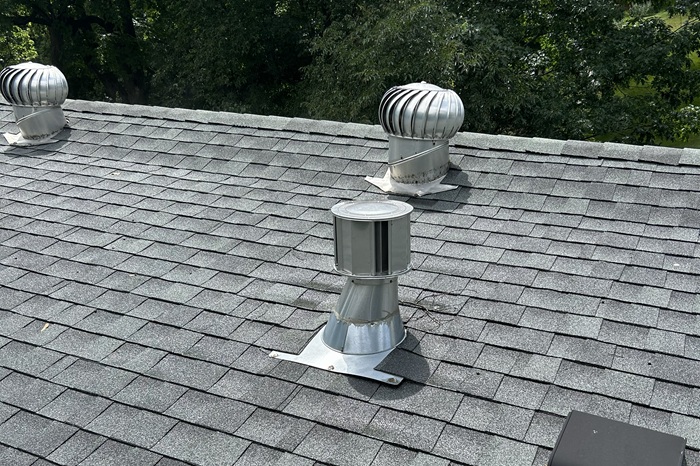
Roof ventilation plays a direct role in how comfortable a home feels throughout the year and how long a roofing system lasts. Many homeowners focus on shingles, insulation, or structural components, but the airflow beneath the roof is just as critical. When ventilation is properly designed, it regulates attic temperature, reduces moisture buildup, and helps protect the roof structure from long-term damage. Without it, even a well-built roof can experience premature wear, higher energy costs, and hidden issues that develop over time.
Pudas Construction understands how interconnected roofing systems are, especially in climates that experience wide seasonal changes. From extreme summer heat to freezing winters, airflow in the attic space can influence everything from indoor comfort to structural integrity. In the sections ahead, we’ll explore what happens when ventilation is inadequate, how it prevents ice dams, which systems work best for Minnesota homes, how moisture damage is reduced, and how ventilation impacts energy efficiency. If you’ve ever wondered how proper roofing design supports long-term performance, these insights will give you a clearer understanding of what’s happening above your ceiling.
What Happens When Attic Ventilation Is Poor
Poor attic ventilation creates a chain reaction of problems that affect both the interior living space and the roofing system itself. When airflow is restricted, heat becomes trapped in the attic during warmer months. This elevated temperature can cause shingles to age prematurely, as asphalt materials degrade faster when exposed to excessive heat. Studies from the U.S. Department of Energy show that poorly ventilated attics can reach temperatures significantly higher than outdoor conditions, accelerating roof deterioration.
In colder climates, the issue shifts from heat buildup to uneven temperature distribution. Warm air escaping from the living space rises into the attic and becomes trapped without proper ventilation. This causes localized melting of snow on the roof, even when outside temperatures remain below freezing. The repeated freeze-thaw cycle creates structural stress and can damage roofing materials over time. Insulation alone cannot compensate for this imbalance without proper airflow.
Another major concern is indoor comfort. When attic heat is not properly exhausted, it radiates downward into the home, making cooling systems work harder. This leads to higher energy consumption and uneven temperatures between floors. Properly designed roofing systems account for balanced intake and exhaust ventilation to maintain stable attic conditions and prevent these issues from developing.
How Roof Ventilation Prevents Ice Dams in Cold Climates
Ice dams form when heat from the attic melts snow on the upper portion of the roof, allowing water to flow downward and refreeze near the eaves. This process is directly tied to ventilation performance. When airflow is insufficient, attic temperatures rise above freezing even in winter conditions, initiating this melt cycle. The refrozen ice creates a barrier that prevents proper drainage, forcing water underneath shingles.
Ventilation systems work by maintaining a consistent attic temperature that closely matches the outdoor environment. Intake vents draw in cold air at the soffits, while exhaust vents release warmer air near the ridge. This continuous airflow prevents snow from melting unevenly, eliminating the conditions that lead to ice dam formation. Research from building science studies confirms that balanced ventilation significantly reduces the risk of ice-related roof damage.
Without proper ventilation, ice dams can cause water infiltration, insulation damage, and structural deterioration. Over time, repeated exposure weakens roof decking and compromises the building envelope. Preventative design strategies focus on airflow balance rather than reactive solutions, reinforcing the importance of ventilation in cold-weather roofing systems.
Best Roof Ventilation Systems for Minnesota Homes
Minnesota’s climate requires ventilation systems that can perform effectively in both extreme heat and prolonged cold. The most effective systems rely on a balanced combination of intake and exhaust vents. Ridge vents paired with soffit vents are widely recognized as one of the most efficient configurations. This setup allows air to enter at the lowest point of the roof and exit at the highest point, creating natural convection.
In homes where ridge vents are not feasible, alternative systems such as box vents or powered attic ventilators may be used. However, passive ventilation systems are generally preferred due to their reliability and lack of mechanical failure points. Building codes and industry guidelines emphasize the importance of maintaining proper vent ratios based on attic square footage to achieve consistent airflow.
Snow load, roof pitch, and insulation levels all influence ventilation design in this region. Homes must account for seasonal moisture changes and temperature fluctuations to prevent condensation and heat retention. Properly configured ventilation systems help maintain structural stability and extend the lifespan of roofing materials under these demanding conditions.
How Roof Ventilation Reduces Moisture Damage
Moisture accumulation in the attic is one of the most common causes of long-term structural damage. Everyday activities such as cooking, bathing, and heating generate water vapor that rises into the attic space. Without adequate ventilation, this moisture becomes trapped, leading to condensation on roof decking and framing components.
Over time, persistent moisture exposure can result in mold growth, wood rot, and insulation degradation. According to building science research, high humidity levels in attics significantly increase the risk of microbial growth, which can compromise indoor air quality. Ventilation systems work by continuously exchanging humid air with drier outdoor air, reducing condensation potential.
In colder months, the risk becomes more severe as warm, moist air meets cold surfaces, accelerating condensation. Proper airflow prevents this buildup and helps maintain a dry, stable attic environment. Controlling moisture through ventilation is a fundamental part of preserving structural integrity and preventing costly roof repairs.
How Roof Ventilation Affects Energy Efficiency
Roof ventilation has a measurable impact on a home’s overall energy performance. In warm weather, proper ventilation reduces attic temperatures, limiting heat transfer into living spaces. This directly lowers the demand on air conditioning systems, resulting in reduced energy consumption. Studies have shown that effective attic ventilation can decrease cooling costs by maintaining more stable indoor temperatures.
During colder months, ventilation helps regulate moisture levels, which improves insulation performance. Wet insulation loses its effectiveness, allowing heat to escape more easily. By preventing moisture buildup, ventilation ensures that insulation maintains its intended thermal resistance, contributing to more efficient heating.
Energy efficiency is not solely about reducing utility costs; it also relates to system longevity. HVAC systems operate more efficiently when not subjected to excessive thermal load. Balanced ventilation supports consistent temperature control throughout the home, reducing strain on mechanical systems and improving long-term performance.
Work With Pudas Construction for Proper Roof Ventilation Solutions
Roof ventilation requires careful planning, precise installation, and a clear understanding of how airflow, insulation, and roofing materials interact. Pudas Construction provides comprehensive roofing solutions that address ventilation challenges while supporting long-term performance. Whether dealing with heat buildup, ice dam formation, or moisture control, their team applies proven methods to improve attic airflow and protect structural integrity.
Pudas Construction works with roofing systems designed for Minnesota’s demanding climate conditions. Their experience allows them to evaluate ventilation issues accurately and implement solutions that align with industry standards. For questions about attic airflow, roof lifespan, or energy performance, contact their team directly at 612-481-3053.
To learn more or request service, visit their website or contact us to connect with Pudas Construction and get expert guidance on improving your roofing system.