Metal Roofing vs Asphalt Shingles: Pros & Cons for Minnesota Homes
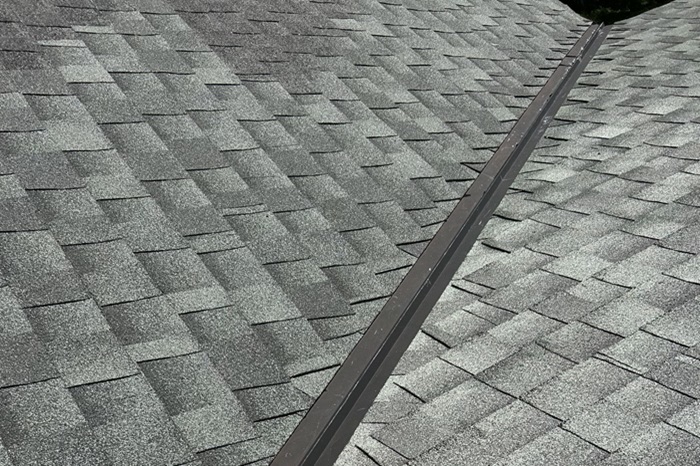
When choosing a roofing system for a Minnesota home, homeowners often compare metal roofing and asphalt shingles. Both materials have long histories in the Midwest due to their performance in snow, ice, and fluctuating temperatures.
Each offers distinct advantages in durability, cost efficiency, and maintenance requirements. Understanding the differences is key to determining which material provides the best long-term value for your property.
Pudas Construction has years of experience working with both roofing systems, offering insight into which choice aligns best with Minnesota’s climate demands. Whether replacing an old roof or building a new home, understanding the details can help you make an informed, confident decision.
Comparing Cost, Lifespan, & Return on Investment
The upfront cost of metal roofing is typically higher than asphalt shingles, often two to three times more per square foot. However, the extended lifespan of metal systems offsets much of that initial investment.
A well-installed metal roof can last 40–70 years, while asphalt shingles generally perform for 20–25 years under Minnesota’s freeze-thaw cycles. Over multiple decades, the replacement frequency for shingles makes them less cost-effective despite their lower initial price.
Return on investment (ROI) for roofing materials depends on longevity, maintenance, and energy efficiency. Metal roofs often yield a higher ROI because they reflect solar heat, reducing cooling costs in summer and offering superior resilience against hail and wind.
Asphalt shingles, while less efficient, remain a cost-effective option for homeowners who plan shorter-term ownership or budget-conscious renovations. Both options add value to a home, but metal roofing provides a stronger long-term equity gain in cold-weather regions.
From a financial perspective, metal systems also require fewer repairs, resist ice damming, and lower insurance costs due to fire and impact resistance. For property owners focused on sustainability and lifecycle cost, metal roofing offers a more favorable balance between expense and performance.
Noise, Expansion, & Fastening Challenges in Winter
One of the most common concerns about metal roofing in cold climates is noise. Metal panels can amplify the sound of rain or sleet, though modern underlayments and attic insulation largely mitigate this issue.
When installed with proper sheathing and vapor barriers, sound levels are comparable to asphalt roofs. In fact, insulated panel systems can dampen noise more effectively than traditional shingles.
Metal’s thermal expansion and contraction present another design consideration. Temperature fluctuations from subzero nights to sunny afternoons can cause panel movement, stressing fasteners if improperly installed.
Professional installers use slotted holes, concealed fasteners, and floating clip systems that allow thermal flexibility. Asphalt shingles, by contrast, have minimal expansion movement but can become brittle in extreme cold, increasing the likelihood of cracking during winter installation.
Fastening systems on metal roofs must be designed for freeze-thaw durability and wind uplift resistance. When installed correctly, a metal system performs exceptionally well through harsh winters.
Proper technique and experience, rather than material limitations, determine whether these seasonal challenges impact roof performance. Shingle roofs remain simpler to install, but shingle roofing typically requires more maintenance over time due to snow and ice buildup.
Snow-Shedding Behavior & Winter Performance
Metal roofs excel at shedding snow and ice naturally. Their smooth, low-friction surfaces allow snow to slide off before it can accumulate, reducing the risk of ice dams and structural stress.
This characteristic makes metal an optimal choice for steep-slope roofs in Minnesota. Homeowners often install snow guards to prevent large sheets of snow from sliding off suddenly, protecting gutters, landscaping, and pedestrian areas.
Asphalt shingles, on the other hand, have a rougher surface that holds snow in place until temperatures rise. While this provides better traction for walking and minimizes abrupt snow slides, it increases the risk of freeze-thaw damage and ice dam formation.
Proper attic ventilation and insulation are critical for maintaining even roof temperatures and preventing water intrusion beneath shingles.
Both materials can handle heavy snow loads when installed correctly, but metal’s snow-shedding capability reduces long-term wear. For property owners seeking minimal winter maintenance, metal roofing is generally the superior performer under Minnesota’s snow conditions.
Underlayments & Insulation Requirements for Metal Roofs
Metal roofs require specialized underlayments to prevent condensation and manage moisture. Synthetic or high-temperature ice-and-water shield membranes are typically used under the panels, especially in northern climates.
These barriers protect against wind-driven rain and prevent condensation from freezing beneath the metal. A breathable underlayment also helps regulate vapor transmission from the attic into the roofing assembly.
Insulation plays a crucial role in metal roof performance. Because metal is thermally conductive, inadequate insulation can cause heat loss in winter and heat gain in summer.
Closed-cell spray foam or rigid foam boards are often applied beneath decking to create a continuous thermal barrier. This minimizes temperature differentials and reduces the risk of condensation forming on the underside of panels.
Proper ventilation is equally important. Ridge vents, eave vents, and baffles help balance airflow and maintain consistent attic temperatures. While asphalt shingles also rely on underlayments and ventilation, the materials used for metal roofs are engineered to handle greater temperature variation and prevent ice dam formation common in cold-weather environments.
Aesthetics, Resale Value, & Building Code Considerations
Both metal and asphalt shingle roofs offer broad aesthetic flexibility, but their appearance suits different architectural styles. Metal roofs are available in standing seam, corrugated, and stone-coated profiles with a wide range of colors.
They complement contemporary and traditional homes alike while maintaining a sleek finish that resists fading. Asphalt shingles offer a classic residential look with varied textures and tones, appealing to homeowners who prefer traditional curb appeal.
Resale value often correlates with material longevity and perceived quality. Buyers in Minnesota tend to value metal roofs for their low maintenance and long lifespan, while asphalt remains attractive for affordability and familiarity.
Local market data suggests that homes with metal roofs can recover a higher percentage of replacement cost during resale, especially in regions prone to severe weather.
Building codes in Minnesota require all roofing materials to meet specific load, wind, and ice barrier standards. Some municipalities have additional color or reflectivity restrictions to control glare or match neighborhood aesthetics.
Consulting a qualified contractor familiar with regional code requirements is essential before installation. To learn more about services or compliance support, contact Pudas Construction for guidance.
Professional Roofing Expertise & Consultation
Choosing between metal and asphalt roofing requires careful consideration of climate, cost, and performance expectations. With decades of experience in Minnesota’s residential roofing market, Pudas Construction provides expert installation and consultation for both systems.
Our team delivers tailored solutions that optimize long-term performance and energy efficiency while maintaining design harmony with your home’s architecture.
For questions about materials, design, or code compliance, reach out to our specialists for professional recommendations and detailed quotes. Reach out Pudas Construction today by calling 612-481-3053 or contact us online to schedule your consultation and learn which roofing option best fits your home.