Top Siding Materials for Energy Efficiency & Durability in Minnesota Winters
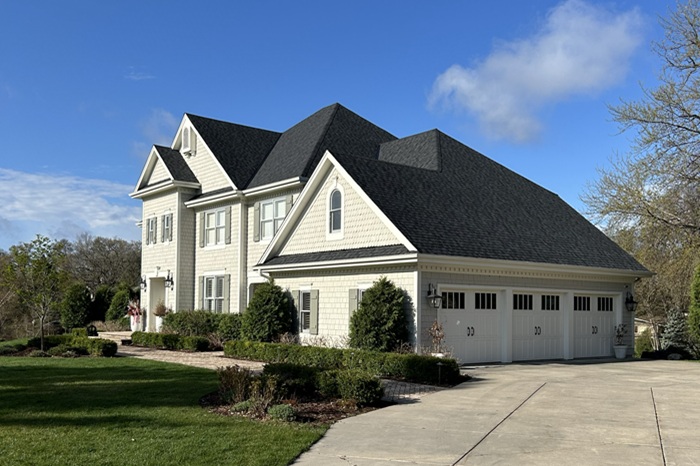
Minnesota’s harsh winters challenge homeowners to find siding that can withstand freezing temperatures, snow, and moisture while maintaining strong insulation.
The choice of siding material affects not only how a home looks but also how well it retains heat, resists damage, and endures year after year. Selecting the right option requires understanding how materials perform in cold climates and how factors like moisture resistance, impact durability, and energy efficiency interact.
Pudas Construction provides expert insights into how each siding type behaves under extreme conditions and what makes some materials better suited for this region.
This article examines key aspects of siding performance that matter most to Minnesota homeowners. Together, these topics help explain how to make informed, durable, and energy-efficient siding decisions that stand up to Minnesota winters.
Comparing Insulating Performance Across Siding Materials
The insulating performance of siding is measured primarily by its R-value or U-value, which indicates how well it resists heat transfer.
Vinyl siding generally has an R-value between 0.61 and 0.96 per inch of thickness, offering moderate insulation that can be improved with insulated backer panels.
Fiber cement siding, composed of cement, sand, and cellulose fibers, provides a lower R-value—around 0.35—due to its dense structure.
Engineered wood siding typically has an R-value of 0.6 to 0.8, providing better natural insulation than fiber cement while maintaining a lighter weight and greater durability.
In Minnesota’s cold climate, pairing siding with an insulated underlayment or foam sheathing is common practice to reduce thermal bridging and improve overall wall performance. The combination of siding and sheathing determines the wall’s effective R-value, which can range from R-13 to R-21 depending on construction methods.
Insulated vinyl siding or engineered wood paired with rigid foam boards can significantly reduce heat loss during winter, lowering energy consumption.
For homes requiring both high insulation and minimal maintenance, materials that integrate rigid insulation directly behind the panels, such as insulated vinyl systems, can perform well. Their continuous thermal barrier prevents heat loss through wall studs while reducing condensation.
Impact of Freeze-Thaw Cycles & Moisture on Siding Lifespan
Freeze-thaw cycles cause expansion and contraction that can weaken siding materials over time. Moisture infiltration during warmer days followed by freezing nights leads to microcracking and surface degradation.
Vinyl siding, being non-porous, generally resists water absorption but can become brittle in sub-zero temperatures, increasing the risk of cracking under impact.
Fiber cement siding performs well structurally but must be properly sealed and caulked, as its cement composition can absorb water if unprotected, leading to spalling or delamination during repeated freeze-thaw exposure.
Engineered wood siding offers good resistance when treated with wax-based resins and factory-applied coatings. However, its organic composition makes it vulnerable to moisture-related swelling if installation gaps, joints, or edges are not properly sealed.
Regular maintenance and proper flashing are critical to preventing moisture intrusion, which accelerates deterioration. Protective coatings also mitigate the risk of UV and water-induced damage.
The use of high-quality sealants, proper ventilation, and correctly installed weather barriers is essential to minimize these effects. Builders in Minnesota often select siding materials with proven dimensional stability under extreme temperature variations, ensuring that siding remains secure and aesthetically consistent for decades.
Siding Materials with the Best Resistance to Hail, Snow, & Ice
Durability against impact and precipitation is vital for homes in Minnesota, where hailstorms, heavy snow, and ice accumulation are common.
Fiber cement siding is among the most impact-resistant options, withstanding hail and debris better than vinyl due to its composite strength. Engineered wood siding, particularly products with resin-bonded layers, also demonstrates superior resistance to denting and surface damage while maintaining a more natural wood appearance.
Vinyl siding, while economical, is more prone to cracking or chipping under strong hail impacts, especially in low temperatures when the material becomes rigid.
Premium vinyl formulations with higher impact ratings can reduce this risk, but proper installation and backing support remain essential. In contrast, fiber cement’s density and structural composition allow it to perform reliably in regions where freeze-thaw stress and mechanical impact coincide.
For Minnesota homeowners prioritizing resilience, choosing siding rated for high wind and impact performance under ASTM D3679 or ASTM C1186 standards offers long-term reliability. Fiber cement and engineered wood generally meet these standards, providing consistent protection against snow loads, ice sheets, and high-velocity hail.
Influence of Siding Color & Reflectivity on Thermal Load
The color and reflectivity of siding influence how much heat a building absorbs and retains. In colder climates, darker hues absorb more solar radiation, contributing to higher surface temperatures and reducing heating demands slightly during winter.
Conversely, lighter colors reflect sunlight, helping reduce cooling loads in summer. In Minnesota, where winter heating demand far exceeds cooling needs, darker tones can offer marginal thermal benefits without significantly affecting energy costs.
Modern siding materials are often coated with heat-reflective pigments that minimize fading while maintaining desired color depth. These coatings allow darker siding to resist thermal distortion and surface degradation caused by UV exposure, maintaining their appearance even under harsh seasonal shifts.
Reflectivity ratings (Solar Reflectance Index, or SRI) help determine how efficiently a color reflects heat.
For homeowners concerned with balanced year-round performance, mid-tone colors and UV-resistant finishes provide an effective compromise. They maintain aesthetic appeal while preventing excessive heat buildup during hot months. Strategic design combining overhangs, insulation, and siding color choice can help regulate indoor temperature more effectively in varying Minnesota conditions.
Best Underlayment & Moisture Barriers for Cold Climates
An effective underlayment or moisture barrier complements siding performance by preventing air leaks and water infiltration.
In Minnesota’s freeze-prone climate, house wraps with high vapor permeability, such as Tyvek or similar synthetic membranes, are commonly used to allow trapped moisture to escape while blocking external water. These barriers prevent condensation from forming within wall cavities, reducing mold growth and structural decay.
When installed with taped seams and integrated flashing, these membranes create a continuous envelope that enhances both thermal efficiency and durability.
For fiber cement or engineered wood siding, a rainscreen system—consisting of furring strips that create an air gap between the barrier and the siding—is particularly effective. This setup promotes drying and reduces the potential for freeze-thaw-related damage.
Combining insulated sheathing with a properly ventilated rainscreen assembly offers the best overall protection for homes in this region. Pudas Construction emphasizes installation techniques that optimize moisture control and thermal resistance.
Contact Pudas Construction for Expert Siding Solutions
Pudas Construction provides expert siding installation and replacement services designed for Minnesota’s severe climate. Our team specializes in high-performance materials, including fiber cement, engineered wood, and insulated vinyl, offering homeowners options that balance aesthetics, durability, and energy efficiency.
Whether upgrading aging siding or constructing a new home, we understand the importance of precise installation practices that maximize insulation and weather resistance.
Homeowners can rely on our certified professionals for guidance on insulation systems, moisture control, and product selection that align with architectural style and environmental conditions. For questions or to schedule a consultation, call Pudas Construction at 612-481-3053, or contact us online.