Top Warning Signs You Need a Roof Replacement in Minnesota’s Climate
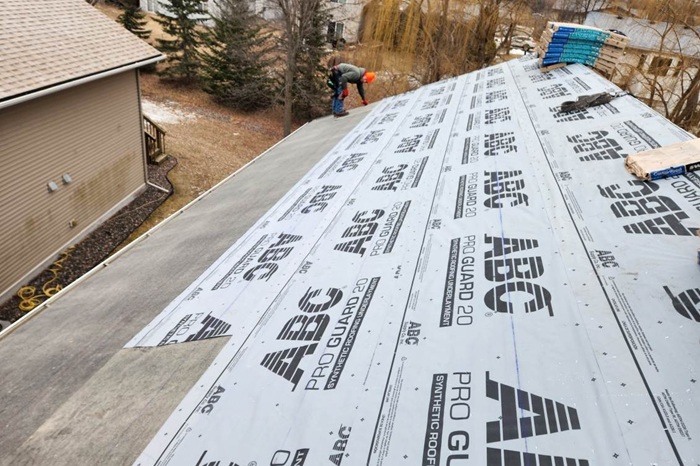
Minnesota’s weather is unforgiving, and your roof bears the brunt of it all—snow, ice, wind, and fluctuating temperatures. Over time, even the most durable roofing materials weaken under these conditions.
Many homeowners don’t realize their roof’s integrity has been compromised until leaks, structural shifts, or energy inefficiencies start to appear. Understanding the early warning signs can help prevent costly damage and maintain your home’s safety year-round.
In this article, we’ll examine the top indicators that signal when a roof replacement may be necessary in Minnesota’s climate. Each section offers insights designed to help you recognize potential problems early and know when it’s time for a roof replacement with guidance from experts who understand Minnesota homes.
How Snow Load & Ice Dams Accelerate Roof Aging
In Minnesota’s harsh winters, accumulated snow and ice are among the leading contributors to premature roof deterioration. Heavy snow adds weight that can stress rafters, trusses, and decking beyond design limits, particularly on older roofs.
Prolonged snow load creates downward pressure that can cause subtle structural warping and weaken fasteners over time. When temperatures fluctuate, thawing and refreezing cycles exacerbate this stress, leading to cracks and material fatigue.
Ice dams form when rooftop snow melts and refreezes near the eaves, trapping water above the gutters. This water can seep beneath shingles, saturate the underlayment, and eventually penetrate the decking.
Persistent ice damming accelerates rot, corrosion, and interior water intrusion. Roofs that experience this cycle repeatedly show signs of curling shingles, sagging gutters, and moisture damage along attic edges.
The compounding effects of these conditions make routine monitoring essential. Homeowners should regularly clear snow accumulations when safe to do so and maintain adequate insulation and ventilation to prevent uneven melting.
Addressing these problems early can extend a roof’s lifespan, but in many cases, severe snow and ice damage indicate it’s time for a roof replacement.
Subtle Interior Warning Signs: Attic Leaks & Sagging Decking
Not all roofing problems begin on the surface. Some of the most critical warning signs appear inside the home—especially in attics or upper-level ceilings.
Persistent leaks, dark water stains, or a musty smell often signal that moisture has breached the underlayment. In Minnesota, where condensation can accumulate from inadequate ventilation, these interior indicators can quickly evolve into structural issues.
Sagging decking is another red flag that often precedes major roof failure. When plywood or OSB panels absorb water, they lose structural rigidity and begin to deflect between rafters.
Over time, this deformation worsens under heavy snow loads. Even slight sagging visible from the attic can signal long-term water infiltration and should be inspected by a professional before the next winter season.
If your home shows interior damage or ceiling irregularities, the issue likely extends beyond cosmetic repair. Such conditions warrant an evaluation to determine whether the existing structure can be restored or if it has reached the end of its service life.
When Roof Discoloration or Granule Loss Indicates Structural Issues
Shingle discoloration and granule loss often appear cosmetic, but they are key indicators of deeper material degradation.
In asphalt shingles, granules protect the surface from ultraviolet radiation and moisture. Once these protective coatings wear away, the asphalt layer becomes brittle and prone to cracking. Extensive granule loss exposes the mat beneath, shortening the roof’s functional life.
Dark streaks, algae growth, or irregular fading can also suggest trapped moisture or ventilation problems. In Minnesota’s humid summers and icy winters, trapped moisture expands and contracts within shingle layers, accelerating breakdown. In many cases, these visual symptoms appear several seasons before leaks become evident, making early detection vital.
Granule accumulation in gutters is another sign that the roof’s protective layer is deteriorating. When paired with curling shingles or softened decking, it can confirm widespread material fatigue and indicate that replacement, rather than repair, is the most effective long-term solution.
Professional Inspections vs. Visual Checks: Frequency & Importance
Routine roof inspections are often underestimated. While visual checks by homeowners are helpful for spotting debris, missing shingles, or damaged flashing, they cannot reveal underlying structural weaknesses. Professional inspections use moisture meters, infrared imaging, and attic assessments to identify areas where water has infiltrated but not yet surfaced.
For Minnesota homes, professional inspections should be performed at least once every two years, ideally before and after the winter season. These evaluations detect small issues—such as micro-cracks in shingles or deteriorating fasteners—before they expand under snow and ice pressure. Homeowners who only rely on exterior observation risk missing critical internal degradation.
Regular inspections preserve the roof’s integrity and help plan timely replacements. Preventive maintenance schedules can reduce long-term repair costs and prevent unexpected failures during severe weather.
The Role of Flashing, Chimney Seals, & Ventilation in Assessing Replacement Need
Flashing and chimney seals play critical roles in maintaining a watertight roof system. Flashing around valleys, vents, and skylights is often the first component to fail due to temperature cycling and metal fatigue.
Compromised flashing allows water to penetrate beneath shingles, often leading to hidden rot. Similarly, deteriorated chimney seals or counter-flashing can channel water directly into the attic structure.
Ventilation is equally important. Without balanced airflow, heat and moisture accumulate under the roof deck, causing condensation and promoting mold growth.
In cold climates, this imbalance intensifies ice dam formation, which further damages shingles and underlayment. Proper ventilation reduces stress on materials, while poor airflow can cut a roof’s lifespan in half.
During a full roof assessment, these systems are evaluated together since they often interact. Faulty flashing, weak chimney seals, and inadequate ventilation can accelerate structural decline and may indicate that a complete replacement is the most reliable solution.
For professional evaluation or maintenance, reach out to Pudas Construction.
Protecting Your Home With Expert Roofing Solutions
Pudas Construction understands the unique challenges that Minnesota homeowners face. From ice dams and wind damage to hidden structural deterioration, our team provides in-depth inspections, quality materials, and precise installation tailored to regional weather demands.
Whether your roof shows signs of age, internal leaks, or granule loss, our expertise ensures long-term durability and safety. If you’re unsure whether your roof needs replacement or repair, contact the experts for a thorough inspection and honest assessment.
Call 612-481-3053 or contact us through our website to schedule an appointment. Maintaining your roof’s condition today prevents major structural issues tomorrow and preserves your home’s value for years to come.