What Factors Determine How Long a Residential Roof Lasts in Minnesota?
In Minnesota, a residential roof is exposed to some of the most demanding environmental conditions in the United States. From subzero winters to humid summers, roofing systems must withstand continuous stress that directly impacts how long they last. Homeowners often expect a roof to reach its full projected lifespan, yet in regions like Minnesota, that lifespan is rarely determined by age alone. Instead, a combination of climate, material performance, structural design, and ongoing care all play a measurable role in durability. Understanding these factors is critical when evaluating the condition of a roof or planning for long-term performance.
Pudas Construction recognizes that roofing longevity is shaped by multiple interconnected elements rather than a single cause. Severe seasonal cycles, material selection, ventilation performance, installation precision, and routine maintenance all influence how a roof performs over time. In the sections below, we examine how freeze-thaw cycles, snow loads, and ice dams affect structural integrity, how different materials respond to Minnesota’s climate, and how ventilation and insulation contribute to moisture control. We also break down the role of workmanship and ongoing environmental exposure. For additional context on regional roofing systems, explore professional roofing considerations that apply specifically to homes in this climate.
How Minnesota’s Freeze-Thaw Cycles, Snow Load, and Ice Dams Impact Roof Lifespan
Minnesota’s climate creates repeated freeze-thaw cycles that place continuous stress on roofing materials. When temperatures fluctuate above and below freezing, moisture that has penetrated small cracks or seams expands as it freezes, then contracts when it melts. This process gradually widens gaps in shingles, flashing, and underlayment layers. Over time, these small failures compound, allowing more water intrusion and accelerating material breakdown. This cyclical expansion and contraction is one of the primary mechanisms that shortens the service life of residential roofs in cold climates.
Snow accumulation adds another layer of structural stress. Heavy snow loads can place thousands of pounds of weight on a roof, especially during prolonged winters. This load tests the structural framing as well as the roofing materials themselves. In cases where snow remains for extended periods, it also slows drainage and increases the likelihood of moisture infiltration. Roofs that are not designed or maintained to handle these loads may experience sagging, cracking, or premature wear.
Ice dams further complicate performance. They form when heat escaping from the attic melts snow on the upper roof, which then refreezes at the colder eaves. This creates a barrier that traps water behind it. That trapped water can back up under shingles and penetrate the roof system. These combined forces make climate-driven stress a major determinant of longevity, which is why understanding regional roofing challenges is critical when evaluating durability.
How Roofing Material Type and Product Quality Affect Longevity in Minnesota
The type of roofing material installed on a home has a measurable impact on how long it will last under Minnesota conditions. Asphalt shingles, for example, are widely used due to cost and ease of installation, but their lifespan varies significantly depending on grade and composition. Architectural shingles typically perform better than basic three-tab shingles because of their increased thickness and durability. However, even within asphalt categories, manufacturing quality and resistance to temperature fluctuations determine how well they hold up over time.
Metal roofing systems provide a different performance profile. They are highly resistant to snow accumulation and allow snow to shed more easily, reducing load stress. Metal also expands and contracts differently than asphalt, which can improve long-term durability when properly installed. Cedar shakes offer natural insulation benefits but are more vulnerable to moisture retention and require more maintenance in wet and cold environments. Each material reacts differently to freeze-thaw cycles, UV exposure, and moisture infiltration.
Product quality is equally important as material type. Higher-grade products are engineered with improved adhesives, coatings, and impact resistance. These features help resist cracking, granule loss, and water intrusion. In Minnesota, where environmental stress is constant, selecting materials with proven performance data under cold-weather conditions directly influences how long a roof maintains structural integrity and weather resistance.
The Role of Roof Ventilation and Attic Insulation in Extending Roof Life
Proper ventilation and insulation are critical components of a roofing system, particularly in climates with extreme seasonal variation. Ventilation allows air to circulate through the attic, helping to regulate temperature and moisture levels. Without adequate airflow, heat can build up during winter, causing uneven roof temperatures. This uneven heating contributes to snow melt and refreezing, which drives ice dam formation and water intrusion.
Attic insulation works alongside ventilation to reduce heat transfer from the living space into the attic. When insulation is properly installed, it maintains a consistent roof surface temperature, minimizing the conditions that lead to ice dams. It also reduces condensation, which can occur when warm indoor air meets cold roof surfaces. Condensation introduces moisture into the roof structure, which can degrade wood components and reduce the effectiveness of insulation materials.
Moisture control is a key factor in roof longevity. Excess moisture can weaken decking, promote mold growth, and compromise structural components. Ventilation systems, including ridge vents, soffit vents, and exhaust vents, are designed to create balanced airflow that removes moisture and stabilizes temperature. In Minnesota, where temperature swings are significant, this balance directly impacts how long roofing materials remain functional.
Why Installation Quality and Workmanship Standards Determine Roof Durability
The way a roof is installed has a direct and lasting impact on its performance. Even high-quality materials can fail prematurely if installation methods are not executed correctly. Proper flashing placement is essential to prevent water from entering vulnerable areas such as valleys, chimneys, and roof penetrations. Incorrect flashing installation is one of the most common causes of leaks and long-term damage.
Underlayment placement is another critical factor. It acts as a secondary barrier against moisture, especially in areas prone to ice dams. In Minnesota, ice and water shield membranes are often used along eaves and valleys to provide additional protection. If these materials are not installed according to manufacturer specifications, their effectiveness is significantly reduced.
Fastening techniques also influence durability. Nails must be placed at the correct depth and location to secure shingles without causing damage. Improper fastening can lead to shingle blow-off during high winds or allow water to penetrate through nail holes. Workmanship standards, including alignment, sealing, and layering, all contribute to how well the roof withstands environmental stress over time.
How Maintenance and Environmental Exposure Influence Roof Lifespan in Minnesota
Ongoing maintenance plays a measurable role in extending the life of a residential roof. Regular inspections help identify early signs of damage, such as cracked shingles, loose flashing, or blocked drainage systems. Addressing these issues early prevents them from developing into larger structural problems. In Minnesota, seasonal maintenance is especially important due to the accumulation of snow, ice, and debris.
Environmental exposure also contributes to wear. Wind can lift shingles and weaken fastening points, while hail can cause impact damage that reduces material integrity. Ultraviolet radiation, even in colder climates, gradually degrades roofing materials by breaking down protective coatings. Over time, this leads to brittleness and reduced resistance to moisture.
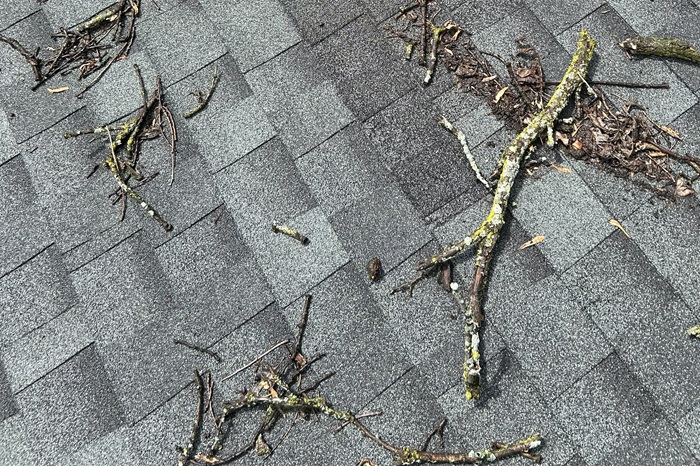
Debris accumulation, such as leaves and branches, can trap moisture on the roof surface and in gutters. This creates conditions that accelerate deterioration and interfere with proper drainage. Routine cleaning and inspection help maintain water flow and reduce stress on the roofing system. Long-term exposure to these environmental factors, combined with maintenance practices, ultimately determines how long a roof performs effectively.
When evaluating how long a residential roof will last in Minnesota, it becomes clear that durability is shaped by multiple factors working together. Pudas Construction applies a detailed understanding of regional climate conditions, material performance, ventilation systems, and installation standards to help homeowners make informed decisions. Each roofing system must be assessed based on its exposure to freeze-thaw cycles, structural load demands, and long-term environmental conditions.
Homeowners who want accurate insight into their roof’s condition or are planning for replacement can benefit from working with experienced professionals who understand these variables. Pudas Construction provides guidance grounded in real-world performance data and regional expertise. Whether evaluating materials, reviewing ventilation systems, or identifying early signs of wear, their team offers detailed assessments tailored to Minnesota homes.
For direct assistance or to schedule an evaluation, call (952) 898-9968 or contact us to learn more about how roofing systems can be optimized for long-term durability in Minnesota’s demanding climate.