What Role Do Underlayment, Flashing, and Ventilation Play in Roof Performance?
Roof performance depends on far more than just shingles or visible materials. Beneath the surface, critical components such as underlayment, flashing, and ventilation determine how well a roofing system resists water intrusion, manages moisture, and maintains structural integrity over time. These elements work quietly but play a direct role in preventing leaks, controlling temperature, and extending the life of the entire roof assembly. Without proper installation and coordination of these systems, even high-quality roofing materials can fail prematurely.
For homeowners and property managers, understanding how these components function provides valuable insight into long-term roof durability. From underlayment acting as a secondary defense against water to flashing protecting vulnerable transition points, and ventilation regulating airflow and moisture, each layer contributes to overall performance. Companies like Pudas Construction recognize the importance of these integrated systems, especially when designing and installing roofing solutions built to withstand environmental stress. In the sections ahead, we’ll explore how underlayment, flashing, and ventilation each contribute to roof performance, including how they function individually and how they operate together as a unified system.
Underlayment as a Secondary Water Barrier in Roof Systems
Underlayment functions as a concealed yet critical defense layer beneath primary roofing materials. Its primary role is to provide a secondary barrier against water intrusion when shingles, metal panels, or other surface materials are compromised by wind uplift, impact damage, or long-term wear. In regions exposed to snow accumulation and freeze-thaw cycles, water can migrate beneath the outer roofing layer. Underlayment prevents that moisture from reaching the decking, preserving structural integrity and reducing the likelihood of interior leaks.
Modern underlayment materials include asphalt-saturated felt and advanced synthetic membranes engineered for enhanced tear resistance and water repellency. These materials are designed to remain stable under extreme temperature fluctuations, a key requirement in climates where expansion and contraction place repeated stress on roofing assemblies. Ice and water shield membranes, commonly installed along eaves and valleys, offer an additional level of protection by sealing around fasteners and preventing water infiltration caused by ice dams.
When evaluating long-term roof performance, underlayment plays a direct role in extending the service life of the entire system. Even high-quality surface materials depend on this layer to mitigate hidden moisture risks. Without it, minor surface failures can escalate into widespread structural damage. Understanding this layered approach is central to effective roofing design and installation, where redundancy is built into the system to handle unpredictable environmental exposure.
Flashing as a Critical Leak Prevention System in Roofing Design
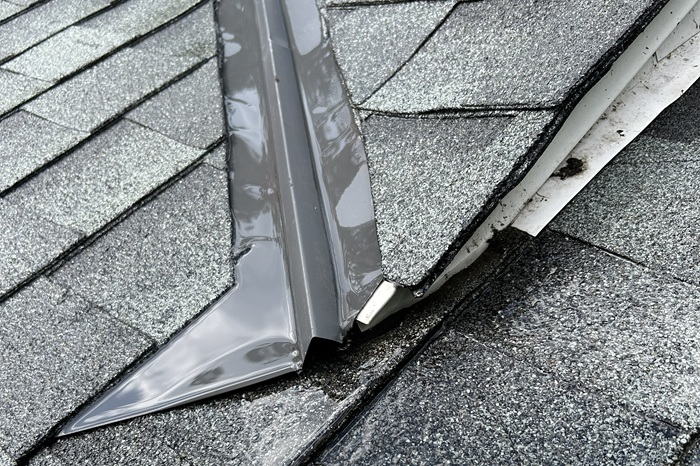
Flashing is one of the most targeted and essential components in preventing water intrusion at vulnerable roof intersections. Installed at transitions such as valleys, chimneys, skylights, and roof-to-wall connections, flashing directs water away from seams where different materials meet. These junctions are inherently prone to leaks because they disrupt the continuous surface of the roof, creating entry points for moisture under heavy rain or melting snow.
Typically fabricated from corrosion-resistant metals such as aluminum, galvanized steel, or copper, flashing must be precisely shaped and installed to function correctly. Step flashing, counter-flashing, and valley flashing each serve distinct roles, working together to channel water safely off the roof surface. Failures in flashing often occur due to improper installation, material fatigue, or thermal movement that loosens seals over time. Once compromised, water can penetrate beneath shingles and reach the underlayment and decking.
Evidence from field inspections consistently shows that flashing failure is one of the leading causes of roof leaks, even when the primary roofing material remains intact. Proper integration of flashing with adjacent components is required to maintain watertight performance. This is especially critical in areas exposed to frequent precipitation or freeze-thaw cycles, where water movement is constant and persistent.
Ventilation and Moisture Control in Roofing Systems
Ventilation plays a central role in controlling moisture within roofing systems by regulating airflow through the attic space. Without adequate ventilation, warm air rising from the interior of a building becomes trapped beneath the roof deck. This trapped air carries moisture, which condenses when it encounters cooler surfaces. Over time, this condensation leads to mold growth, wood rot, and degradation of insulation materials.
Balanced ventilation systems use intake vents at the eaves and exhaust vents near the ridge to create continuous airflow. This movement of air removes excess moisture before it can accumulate. In colder climates, poor ventilation contributes directly to ice dam formation by allowing heat to build up unevenly across the roof surface. As snow melts and refreezes, water is forced beneath shingles, increasing the risk of structural damage.
Moisture control through ventilation is not limited to winter conditions. During warmer months, high humidity levels can also lead to condensation issues if airflow is restricted. Properly designed ventilation systems maintain consistent attic conditions year-round, reducing the likelihood of long-term structural deterioration and preserving the performance of insulation and roofing materials.
Temperature Regulation and Energy Efficiency Through Roof Ventilation
Ventilation directly influences temperature regulation within a roofing system by allowing heat to escape from the attic space. During summer months, solar radiation can cause roof surfaces to reach extreme temperatures, transferring heat into the attic. Without adequate ventilation, this heat becomes trapped, increasing indoor cooling demands and accelerating the aging of roofing materials.
In winter, ventilation plays an equally important role by maintaining a consistent roof temperature. When warm air accumulates beneath the roof deck, it causes uneven snow melt. The resulting water refreezes at the eaves, forming ice dams that trap additional water on the roof surface. This cycle places stress on shingles, underlayment, and flashing, often leading to premature failure.
Research and field performance data show that balanced ventilation systems improve energy efficiency by reducing temperature extremes. Lower attic temperatures in summer decrease cooling loads, while consistent winter temperatures minimize ice-related damage. These benefits demonstrate how ventilation is not only a moisture control mechanism but also a key factor in long-term energy performance and material durability.
How Underlayment, Flashing, and Ventilation Work Together in Roof Performance
Roof systems function as integrated assemblies where each component contributes to overall performance. Underlayment provides a continuous secondary barrier against water intrusion, flashing protects critical transition points, and ventilation regulates airflow and moisture. When these elements are properly coordinated, they create a system capable of managing water, temperature, and air movement simultaneously.
Failure in any one component can compromise the entire system. For example, inadequate ventilation can accelerate underlayment deterioration by increasing moisture levels, while poorly installed flashing can allow water to bypass both the primary roofing material and the underlayment. These interactions highlight the importance of system-based design rather than focusing on individual components in isolation.
Long-term durability depends on how effectively these elements work together to address environmental stress. Integrated roofing systems are designed to handle continuous exposure to precipitation, temperature fluctuations, and airflow dynamics. For deeper insights into system performance and installation standards, reviewing resources from Pudas Construction can provide additional context on how these components are implemented in real-world applications.
Work With Experts Who Understand Complete Roofing Systems
Achieving long-term roof performance requires more than surface materials—it depends on how underlayment, flashing, and ventilation function together as a unified system. Pudas Construction applies a comprehensive approach that addresses each of these components with precision, ensuring that moisture control, water management, and airflow are properly balanced across the entire structure.
Pudas Construction provides detailed roof assessments that evaluate underlayment integrity, flashing performance, and ventilation efficiency. Their team understands how regional weather conditions, including snow loads and temperature fluctuations, impact roofing systems over time. By identifying vulnerabilities early, they help prevent structural damage and extend the lifespan of the roof.
Whether addressing water intrusion risks, ventilation inefficiencies, or full system performance concerns, their expertise supports durable and reliable roofing outcomes. To schedule an evaluation or learn more about your roofing system, call 612-481-3053 or contact us today.