When to Replace Gutters for Maximum Performance in Snowy Climates
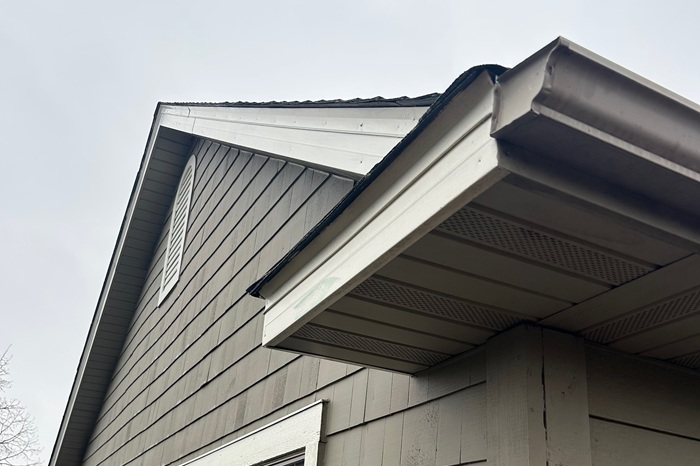
Heavy snow, ice buildup, and fluctuating temperatures can severely impact a home’s gutter system. For property owners in cold regions like Minnesota, understanding when to replace gutters is key to avoiding costly structural issues and ensuring water drains properly all winter.
When gutters are undersized, clogged, or misaligned, meltwater can overflow, freeze, and contribute to roof damage or foundation cracks. Recognizing the signs of gutter wear and installing the right materials for maximum performance in snow-heavy climates protects both your roof and your home’s overall structure.
This article examines important aspects of gutter performance in winter. Each of these factors plays a direct role in preventing ice dams and ensuring efficient drainage during the toughest weather conditions. Pudas Construction draws on years of experience installing and maintaining gutters that perform reliably in northern climates.
Gutter Profiles That Perform Best Under Snow Loads
The most durable gutter profiles for cold climates combine structural strength with effective water flow design.
K-style gutters remain the most common due to their shape, which provides both strength and capacity. Their flat backs fit snugly against fascia boards, while their curved fronts resist bending under snow weight.
Half-round gutters, while aesthetically appealing, are less suited to areas with heavy snowfall because they lack internal rigidity and may require more frequent bracket reinforcement.
Box-style and high-capacity seamless aluminum gutters are popular in commercial and multi-level residential applications. These models provide superior volume handling, reducing the risk of overflow during rapid snowmelt.
Materials also matter; heavy-gauge aluminum and galvanized steel perform better than vinyl in freezing climates due to their resistance to cracking.
For properties with steep roofs, reinforced K-style or oversized aluminum gutters provide the best protection. The added capacity accommodates both meltwater and wind-driven snow, minimizing the chance of blockage or ice dam formation while maintaining a clean, architectural profile suited to modern and traditional homes alike.
When to Install Gutter Guards or Leaf Filters & the Best Local Types
Installing gutter guards in Minnesota can significantly reduce clogs from falling leaves and ice fragments. The best time to install guards or filters is during late summer or early fall, before the first freeze.
This allows debris to clear naturally and prevents organic buildup that can trap snowmelt. Gutter guards are also beneficial when gutters are newly replaced or realigned, ensuring maximum water flow efficiency before winter.
In colder climates, micro-mesh and metal screen guards outperform plastic varieties. Heated gutter guard systems—designed with integrated cables—are effective for homes prone to frequent ice damming. These systems maintain meltwater flow even during sub-zero conditions.
Homeowners should select guards rated for snow load resistance, avoiding flimsy snap-on designs that may detach under ice weight.
Professionally installed micro-mesh or perforated aluminum guards are ideal for Minnesota’s freeze-thaw cycles. They block debris while allowing meltwater to drain freely through the gutters, reducing the likelihood of overflow and refreezing that contributes to icicle formation along the roof edge.
How Often to Clean & Inspect Gutters in Minnesota
Routine maintenance is the foundation of gutter performance in snowy environments. Gutters should be inspected at least twice a year—once in late spring after tree pollen season and once in early fall before winter weather arrives.
Homes surrounded by dense foliage or pine trees may require more frequent checks, as needles can quickly block channels and downspouts.
In Minnesota, late fall cleaning is especially important to remove accumulated leaves and debris that would otherwise freeze inside the system. Ice-blocked gutters prevent meltwater drainage and cause backflow beneath shingles.
Early detection of leaks, sagging brackets, or separation between sections during cleaning allows for timely repair or replacement before damage escalates.
Many property owners schedule a professional inspection each autumn to confirm system readiness for snow loads. This proactive approach reduces winter risks and preserves both roofing and foundation integrity through repeated freeze-thaw cycles.
Assessing Whether Existing Gutters Are Undersized or Improperly Pitched
Gutter sizing and pitch directly determine how efficiently water and melted snow flow away from a roofline. An undersized gutter—such as a 4-inch system on a steep or large roof—often overflows during snowmelt or heavy rain. Signs of undersized gutters include consistent overflow at corners, peeling paint beneath the eaves, or water marks on siding.
In snowy climates, undersized gutters fill quickly, freeze, and lead to dangerous ice buildup. For most Minnesota homes, 5- to 6-inch K-style systems offer sufficient capacity, though large or metal roofs may require oversized channels.
Improper pitch creates another common performance issue. Gutters should have a slope of roughly 1/4 inch per 10 feet toward the downspout. When the slope is uneven or reversed, water stagnates, freezes, and adds stress to fasteners.
Using a level to check gutter alignment can identify sections that require regrading. During winter, even minor pitch errors can trap ice, leading to sagging or detachment from fascia boards.
Regular evaluation each fall and spring helps maintain proper slope and identify early warning signs before the first freeze.
Routine inspection by a roofing professional or measurement with a digital level can verify that the gutter system directs water efficiently. Replacing gutters that are undersized or misaligned ensures continued protection from melting snow and ice, especially for properties exposed to heavy runoff from upper roof sections connected to gutters.
Optimal Downspout Placement & Sizing to Prevent Ice Dams & Foundation Issues
Downspout design directly affects the efficiency of a gutter system in handling meltwater. Improperly spaced or undersized downspouts cause pooling near roof edges and can contribute to ice dam formation.
In Minnesota, downspouts should be placed approximately every 30 to 40 linear feet of gutter run, with extensions directing discharge at least five feet away from the foundation to prevent seepage or frost heave.
Larger downspouts—typically 3x4 inches for standard residential applications—accommodate higher water volumes from 6-inch K-style gutters. Corner valleys or roof junctions that concentrate runoff may require dual downspouts to prevent overflow. Proper alignment with the gutter pitch ensures continuous water movement, even in freezing conditions.
A well-designed system integrates both gutter slope and downspout capacity to maintain clear water flow paths during snowmelt. Oversized outlets and wide-mouth adapters enhance drainage efficiency.
Professional installation that considers roof geometry, slope, and snow accumulation patterns will minimize the formation of ice dams and protect the building envelope throughout the winter season.
Protecting Your Home with Expert Gutter Installation & Replacement
Pudas Construction specializes in complete gutter installation and replacement for Minnesota homes exposed to heavy snow and ice. Whether upgrading to a reinforced K-style system or integrating heated gutter guards, each installation is tailored for maximum performance and durability.
Our experience with local climate conditions ensures precision in slope calibration, downspout placement, and material selection to withstand repeated freeze-thaw cycles.
For residents seeking trusted local service and expert recommendations, contact Pudas Construction at 612-481-3053. Located in Minnesota, Pudas Construction delivers reliable craftsmanship and weather-ready gutter systems designed to protect your roof and foundation through even the harshest winters.