What Are the Most Durable Commercial Roofing Systems for Flat Roof Buildings?
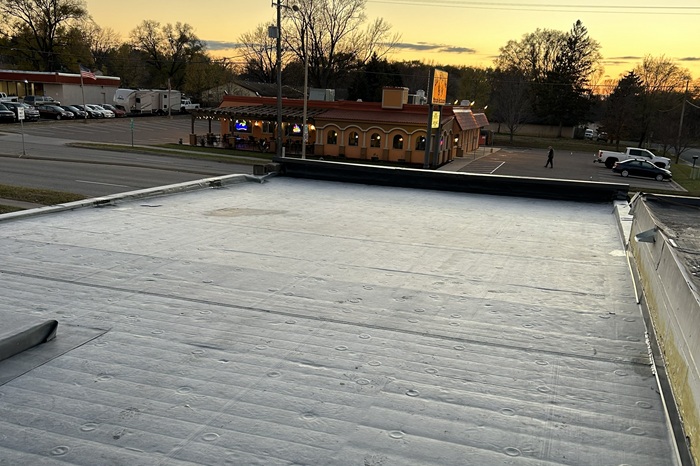
Flat roof systems are a critical investment for commercial buildings, where durability, energy performance, and long-term cost control all play a central role in decision-making. Business owners and property managers often face a complex set of choices when selecting materials that can withstand environmental exposure, foot traffic, and structural demands over decades. Understanding how different systems perform under real-world conditions is key to making informed decisions that protect both the building and operational budgets.
For companies like Pudas Construction, evaluating the most durable commercial roofing systems means looking closely at material composition, installation methods, and long-term performance under stress. This article explores how leading systems compare, which options perform best in challenging conditions like ponding water, and how insulation and building size influence outcomes. Each section breaks down these factors in detail to help you better understand what drives durability in commercial roofing systems.
Comparing TPO, EPDM, and PVC Commercial Roofing Systems
Thermoplastic Polyolefin (TPO), Ethylene Propylene Diene Monomer (EPDM), and Polyvinyl Chloride (PVC) are the most widely used single-ply membrane systems for flat commercial roofs. Each material has distinct chemical and physical properties that influence durability. TPO is a heat-welded membrane known for its reflective surface and resistance to ultraviolet radiation. Its seams are fused using hot air, creating a continuous surface that limits leak potential when installed correctly.
EPDM is a synthetic rubber membrane with a long track record in commercial roofing. It is highly flexible and performs well in climates with significant temperature swings. Its seams are typically adhered using tape or adhesive, which introduces a different failure point compared to welded systems. PVC, on the other hand, is a thermoplastic membrane similar to TPO but enhanced with plasticizers and reinforced layers that improve chemical resistance and flexibility over time.
Performance comparisons often come down to environmental exposure and building use. PVC systems outperform others in environments with grease, oils, or chemical exposure, making them common in restaurants and manufacturing facilities. TPO provides strong energy efficiency benefits due to its reflective properties, while EPDM offers durability through elasticity and resistance to hail impact. These differences are critical when selecting a system within the broader category of commercial roofing.
Flat Roof Systems That Best Resist Ponding Water
Ponding water is one of the most significant threats to flat roof longevity. When water remains on a roof for extended periods, it accelerates membrane degradation, increases structural load, and raises the risk of leaks. Among common systems, PVC and TPO membranes generally perform better under ponding conditions due to their heat-welded seams, which create watertight bonds that are less prone to separation.
EPDM systems, while durable, are more susceptible to seam failure under prolonged water exposure because their seams rely on adhesives. Over time, standing water can weaken these bonds, especially if installation conditions were not optimal. Modified bitumen and built-up roofing systems can also handle ponding water when properly installed, but they require consistent maintenance to prevent surface deterioration.
Drainage design remains the most important factor regardless of material choice. Even the most durable membrane cannot compensate for poor slope or inadequate drainage systems. Roofs designed with tapered insulation systems or internal drainage channels significantly reduce ponding risk and extend the life of the roofing assembly.
Roofing Systems That Minimize Long-Term Repair Costs
Long-term repair costs are influenced by material durability, seam integrity, and resistance to environmental stressors. PVC roofing systems consistently demonstrate lower lifecycle repair costs due to their resistance to chemicals, fire, and punctures. Their welded seams reduce the likelihood of leaks, which are the most common source of repair expenses in commercial roofing systems.
TPO systems also offer cost advantages over time, particularly when installed with high-quality reinforcement layers. Their reflective surfaces reduce heat absorption, which lowers thermal expansion stress and slows material degradation. EPDM systems, while cost-effective initially, may require more frequent seam inspections and maintenance due to their adhesive-based construction.
Another factor affecting repair costs is system accessibility. Roofs designed to accommodate foot traffic with reinforced walkways or thicker membranes tend to experience fewer punctures and surface damage. Preventative maintenance programs, including regular inspections and minor roof repairs, also play a measurable role in reducing long-term expenses.
Best Commercial Roofing Systems for Large Warehouse Buildings
Large warehouse buildings present unique challenges due to expansive surface areas, structural movement, and thermal variation. TPO roofing systems are widely used in these environments because of their lightweight composition and reflective properties, which help regulate internal temperatures across large spans. Their ability to be installed in wide rolls also reduces seam count, lowering leak risk.
EPDM systems are also used in warehouse applications, particularly in colder climates where flexibility is important. Their elasticity allows them to accommodate structural movement without cracking. However, the increased number of seams compared to wider TPO sheets can introduce additional maintenance considerations over time.
PVC systems are often selected for warehouses that involve chemical storage or manufacturing processes. Their resistance to industrial byproducts and fire makes them suitable for specialized applications. In all cases, the scale of warehouse roofing requires careful planning of insulation, drainage, and membrane thickness to maintain durability across the entire structure.
Impact of Insulation on Flat Roof Performance and Longevity
Insulation is a foundational component of any flat roofing system, directly influencing energy efficiency, moisture control, and structural performance. High-performance insulation materials such as polyisocyanurate (polyiso) provide strong thermal resistance while maintaining a lightweight profile. This reduces heat transfer into the building, stabilizing internal temperatures and lowering energy costs.
Insulation also plays a critical role in moisture management. Properly installed insulation layers help prevent condensation within the roofing system, which can lead to mold growth and structural damage. Tapered insulation systems are particularly valuable because they create slope on otherwise flat roofs, improving drainage and reducing the likelihood of ponding water.
The interaction between insulation and membrane material affects overall system durability. A well-designed assembly ensures that the membrane is supported evenly, reducing stress points that can lead to premature failure. When evaluating long-term performance, insulation should be considered just as important as the roofing membrane itself.
Work With Pudas Construction for Durable Commercial Roofing Solutions
Pudas Construction provides commercial roofing systems designed for long-term performance across a wide range of building types. From large warehouse installations to specialized flat roof systems, their team focuses on material selection, structural design, and installation precision to maximize durability.
By evaluating factors such as membrane type, insulation design, and drainage performance, Pudas Construction helps property owners reduce long-term repair costs while improving energy efficiency. Their experience across TPO, EPDM, and PVC systems allows them to match each project with the most appropriate solution based on real-world performance data.
To learn more or discuss your project, call 612-481-3053 or visit their contact us page to connect directly with their team.